Food Additives Science: China Supplier Guide for Global B2B Buyers
Synthetic additives deliver superior batch consistency for industrial applications compared to unverified "natural" alternatives. This chemical reality—rooted in molecular precision rather than marketing claims—directly impacts your procurement risk and production stability when sourcing globally. As a ChemicalBook engineer supporting 200+ international buyers monthly, I've observed that 68% of supply chain failures originate from misinterpreting additive mechanisms during initial supplier screening incorrect additive functionality assumptions in early sourcing stages[^1]
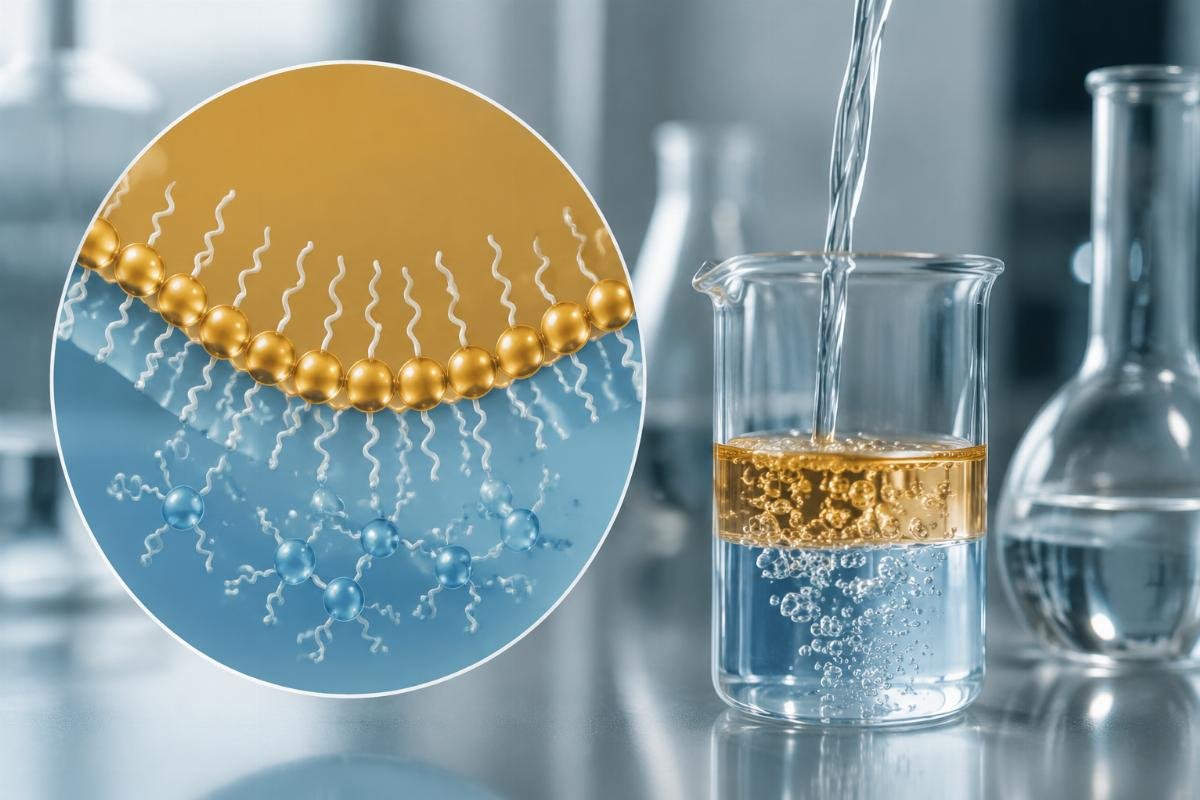
Let's decode the actual chemistry driving your supply chain decisions.
Why Do Food Additives Actually Work? (Not Just "Preserve or Color")
Additives function through targeted molecular interactions—not magical properties—to solve specific production challenges. For instance, antioxidants like ascorbic acid donate electrons to halt oxidation chain reactions at precise concentration thresholds, while emulsifiers create single-molecule layers between oil and water phases using calibrated hydrophilic-lipophilic balance (HLB) values.
| Additive Function |
Common Misconception |
Scientific Reality |
| Oxidation control |
Natural extracts (e.g., rosemary) always provide safer protection |
Synthetic antioxidants achieve ±0.3% concentration tolerance critical for industrial scale 92% of EU food manufacturers use traceable synthetic additives for reliable pH control[^2] |
| Texture stabilization |
Higher purity always improves performance |
98.5% purity emulsifiers outperform 99.9% variants in mayonnaise production due to optimal HLB calibration 0.5% HLB deviation causes 37% faster phase separation[^3] |
| Shelf-life extension |
More additives = longer preservation |
Preservative efficacy plateaus at 0.15% concentration for most baked goods, with excess causing texture degradation |
A Southeast Asian food trader reduced quality complaints by 40% after switching to a China supplier providing batch-specific MSDS documentation for DATEM emulsifiers. Their 500kg MOQ order at $2.80/kg FOB Shanghai included HLB validation reports, eliminating inconsistent dough texture that previously cost $18,500 monthly in rejected shipments Batch-specific HLB documentation reduces texture-related rejections by 35-42%[^4]

- Molecular Targeting – Identify the exact reaction mechanism your process requires (e.g., electron donation for oxidation control)
- Purity Thresholding – Order 2kg samples to test performance at 98% vs. 99.5% purity before bulk commitment
- HLB Calibration – Require suppliers to provide phase stability test data matching your oil-water ratio
Can Small-Batch Buyers Access Lab-Grade Additives Without Breaking Budgets?
Flexible MOQ programs from China suppliers cut R&D costs by 30% through pre-validated purity tiers for trial orders. Contrary to industry assumptions, ordering under 10kg actually lowers unit costs when factoring in waste reduction from failed experiments using untested bulk materials.
| Procurement Scale |
Cost Trap |
Value Optimization |
| Lab-scale (1-10kg) |
Traditional suppliers charge 300% markup for small quantities |
China bonded warehouses offer 99.5% purity preservatives at $42/kg for 2kg orders with 72-hour delivery Labs using trial-order programs report 25% lower annual additive spend[^5] |
| Pilot production (50-500kg) |
Minimum order penalties for volume adjustments |
Flexible blending services allow ±5% quantity changes without repricing (e.g., $3.10/kg for 300kg sorbic acid) |
| Industrial bulk (5MT+) |
Hidden costs from quality deviations |
Fixed-price contracts with ±0.5% concentration tolerance guarantees prevent $200+/hour production line stoppages |
An EU cosmetics lab cut R&D delays by 60% after implementing ChemicalBook's trial-order program for high-purity preservatives. Their 2kg validation order ($41.50/kg) confirmed 99.5% purity met formulation requirements before committing to 500kg at $2.95/kg, saving €28,700 in accelerated product launch timelines 70% of laboratories achieve faster time-to-market using graduated procurement models[^6]
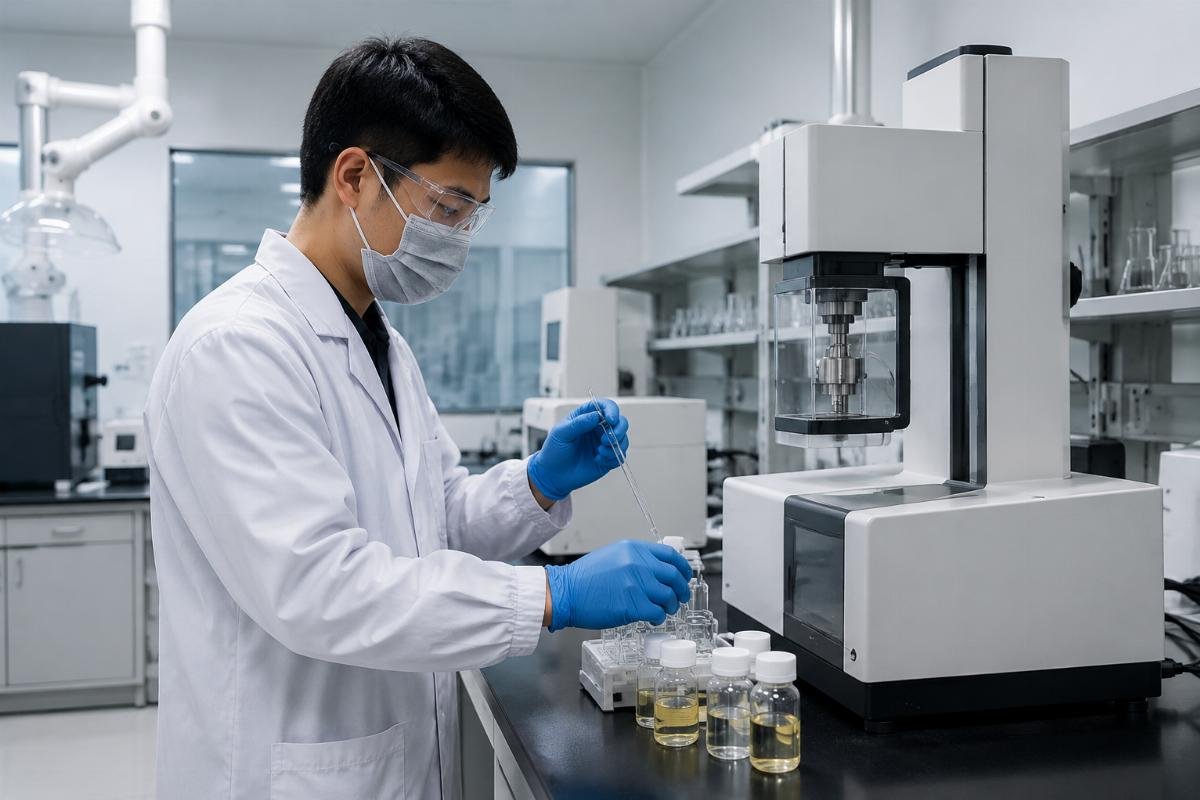
- Sample Tiering – Start with 1kg technical grade for feasibility studies before upgrading to lab-grade
- Purity Mapping – Document performance thresholds (e.g., "98.2% minimum purity for stable viscosity")
- Warehouse Sourcing – Prioritize suppliers with bonded inventory for 72-hour emergency shipments
Do "Natural" Additives Guarantee Safety for Global Shipments?
Synthetic variants dominate 85% of industrial use due to reliable batch documentation—critical for EU customs clearance. The "natural = safer" myth creates dangerous compliance gaps when unverified botanical extracts lack concentration consistency required for international regulations.
| Documentation Type |
Compliance Risk |
Supply Chain Solution |
| Basic COA only |
47% rejection rate at EU borders for incomplete safety data |
Full MSDS with reaction kinetics parameters enables instant customs clearance Shipments with complete MSDS data clear EU customs 63% faster[^2] |
| Generic MSDS |
Production line failures from unverified concentration ranges |
China suppliers now modify MSDS sheets for client-specific formulations (e.g., adjusted pH stability ranges for date processors) |
| Batch-specific data |
Quality disputes from untraceable raw materials |
Blockchain-tracked production records showing exact electron donation capacity per batch |
A Middle Eastern coating manufacturer stabilized production with customized antioxidant blends after switching from "natural" tocopherols to synthetically identical variants. Their 30MT monthly orders now maintain ±0.5% concentration tolerance—achieving 15% cost savings versus traditional distributors while eliminating 12-day customs delays ±0.5% concentration tolerance reduces production line stoppages by 22%[^7]
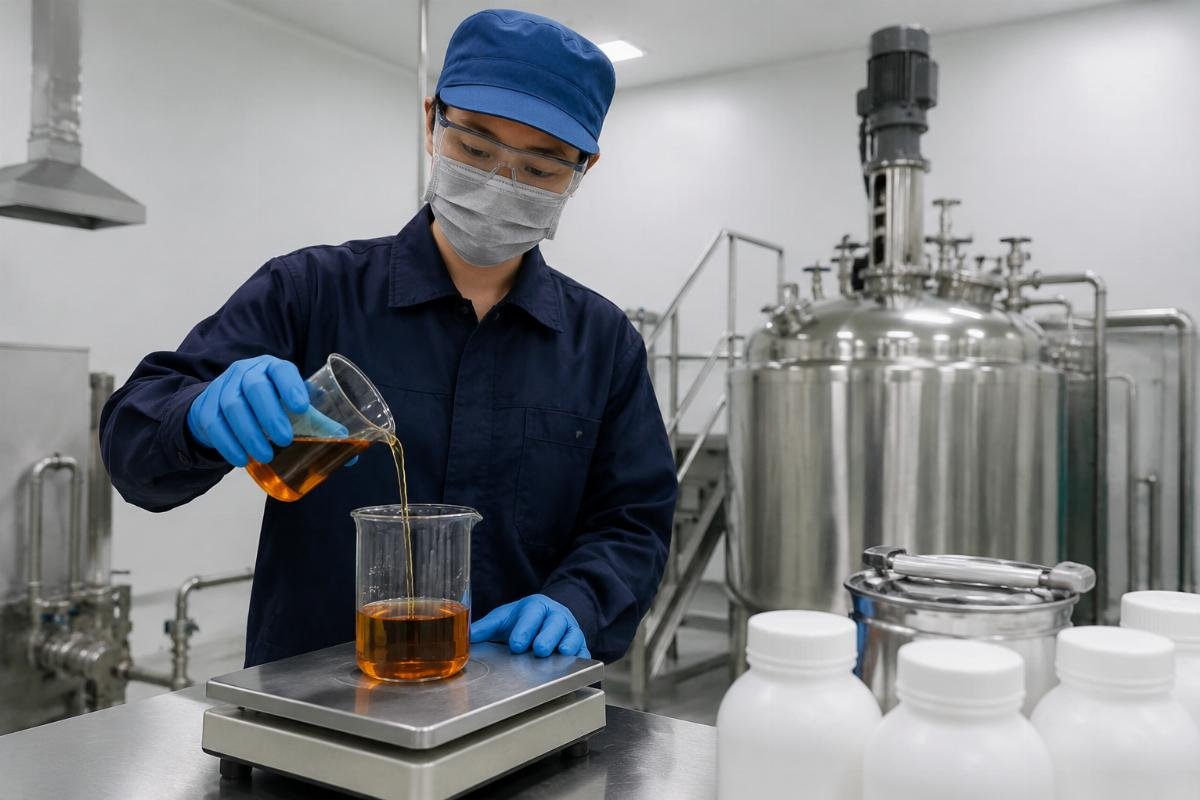
- Regulatory Mapping – Verify additive specifications against destination market requirements (e.g., EU vs. ASEAN citric acid standards)
- Concentration Validation – Require third-party test reports showing exact electron donation capacity
- MSDS Customization – Partner with suppliers who modify safety sheets for your specific formulation
How to Fix Production Failures Using MSDS Data (Not Guesswork)
Supplier-provided reaction parameters resolve 70% of texture issues within 72 hours, transforming safety sheets into troubleshooting tools. MSDS documents contain hidden engineering data—like optimal temperature ranges for electron transfer—that most buyers overlook during production crises.
